Posted on

Where to Buy a Watch Winder: Best Places to Shop Online and Locally

Figuring out where to buy a watch winder takes more research than most people expect. A watch winder is a motorized device that rotates an automatic timepiece on a preset schedule, keeping the mainspring wound when you are not wearing it. The retailer you choose affects pricing, warranty coverage, and support.

How an Automatic Watch Winder Works

An automatic watch generates energy from wrist motion. A rotor inside the case spins with each arm movement, powering the mainspring that drives the clock mechanism. Leave the piece sitting still for 24 to 48 hours and it stops.

A winder mimics this motion with a quiet electric motor. Most units offer clockwise, counterclockwise, and bidirectional rotation so you can match your movement’s turns-per-day (TPD) requirement. Rolex calibers typically need 650 TPD clockwise. Breitling SA and Cartier, the French luxury jewellery house, each specify different ranges depending on caliber.

Buy a Watch Winder at a Local Jewellery Store

Jewelry stores that carry automatic watches often stock a small selection of winders. You can check build quality, listen to the motor noise, and confirm the pillow fits your case size before spending money.

The downside is limited brands and pricing near manufacturer suggested retail. If the store services your timepiece, staff can recommend a unit matched to your movement’s TPD requirement.

Can You Find One at Walmart or Target?

Most Walmart locations do not stock these on shelves. Third-party sellers list them on Walmart’s online shopping marketplace, but in-store staff cannot help with product questions or warranty claims.

Target does not currently sell them. If you prefer shopping locally beyond a jewelry store, try a department store with a luxury counter.

Shop on Amazon for the Largest Selection

Amazon lists over 1,500 options. The catalog includes single watch winder boxes, double watch winder units, and quad configurations, from a budget rotating case under $30 to a premium model with LED light and leather finishing above $500.

  • Free shipping for Prime members, with delivery in 1 to 2 days.
  • Verified buyer reviews showing real-world noise levels, motor longevity, and fit for specific brands.
  • A clear return policy backed by Amazon’s customer service, not just a third-party seller’s warranty.

Compare the same model across 2 or 3 sellers before buying. Some listings inflate retail prices with fake “discounts.”

Find Deals on eBay

eBay is a solid option for discontinued models or if you want to test whether a winder fits your routine before committing to a premium unit. Used devices often sell for 40% to 60% below retail.

eBay also connects buyers with international sellers. Confirm the power source before bidding. Some units are battery powered only, others need an AC adapter, and some offer both.

Where to Buy a Watch Winder from Specialty Online Retailers

Dedicated online shops offer the deepest product knowledge. Specialty retailers stock single, double, and luxury models with quiet Japanese motors, flexible pillow sizes, LED lighting, and detailed rotation settings.

WatchWinders.net is one of those retailers. Every product page lists compatible movements, power source options, and motor specifications. The site publishes guidance on choosing top features that general marketplaces skip. If you are new to this category, reading about what a winder is and how it works before you shop online saves time and money.

5 Things to Check Before Buying

  1. TPD and rotation direction. Match the unit’s turns-per-day range to your movement’s specifications.
  2. Motor noise. Look for Japanese Mabuchi motors rated below 10 dB if the device sits on a nightstand.
  3. Power source. Battery powered units work inside a safe with no outlet. AC adapter models suit permanent desk placement.
  4. Capacity. A single unit costs less, but a double configuration makes more sense if your collection will grow.
  5. Build quality and warranty. Premium manufacturing brands include a 2 to 5 year warranty. Budget options may skip this entirely.

Frequently Asked Questions About Buying a Watch Winder

Is it good to put an automatic timepiece in a winder?

Yes, it keeps the piece wound and ready to wear. Modern devices use gentle rotation settings that do not over-wind the movement, because automatic watches have a built-in clutch that disengages the mainspring once fully wound.

Do they work for all brands?

Most winders work with any automatic movement, including luxury brands like Breitling and Cartier. The key is matching the TPD setting and rotation direction to your specific caliber. Quartz and manual-wind mechanical watches do not benefit from one.

What is the difference between expensive and cheap models?

Expensive units use quieter motors, better materials (leather, carbon fiber, solid wood), and offer more precise rotation settings. The biggest practical difference is motor lifespan: a premium model lasts 5 to 10 years, while a budget one may fail within 12 to 18 months.

How much does one cost?

A basic single unit starts around $25 to $40. Mid-range models with a quiet motor and multiple rotation settings run $80 to $200. Luxury automatic options from brands like WOLF or Orbita range from $300 to over $2,000 depending on capacity and finishing.

Start by checking your timepiece’s TPD requirement in the owner’s manual or on the manufacturer’s website. Then decide on capacity: a single unit if you own one automatic timepiece, or a double if you have two or more. Compare prices on Amazon, eBay, and a specialty retailer to find the best deal on where to buy a watch winder that fits your collection and budget.


Posted on

Best Watch Winder: Top Features Every Collector Should Look For

best watch winder features for automatic timepieces
Top Watch Winder Features

The best watch winder keeps your automatic timepiece wound, accurate, and ready to wear the second you reach for it. If you own a self-winding model from Rolex, Omega SA, Seiko, or any brand that relies on a mechanical movement, you know the frustration of picking up a stopped piece after a weekend in the drawer. A quality unit eliminates that problem entirely.

A watch winder is a device designed to rotate an automatic piece on a motorized pillow, mimicking the natural motion of your wrist. The mainspring inside every automatic watch stores energy from movement. When the piece sits still for 36 to 48 hours, that power reserve drains and the hands stop. Resetting the date, day, and moon phase on a complicated caliber is tedious. One mistake I see repeatedly is collectors skipping this step and then rushing through the crown-setting process, which increases the risk of damaging a delicate date mechanism.

How Automatic Watch Winders Work

An automatic watch winder uses a small electric battery-powered or AC-powered motor to spin a cushion that holds your piece. The rotation feeds the rotor inside the case, which tensions the mainspring. Think of it as a slow, controlled substitute for your arm moving throughout the day.

Most units offer two directions of rotation: clockwise (CW), counterclockwise (CCW), or bidirectional. The correct setting depends on your caliber. Rolex movements wind in both directions, while some IWC Schaffhausen calibers only wind clockwise. Setting the wrong direction will not damage anything, but it wastes energy and leaves the power reserve indicator reading low.

Turns per day (TPD) is the critical spec. Every automatic movement has an ideal range for daily rotations. Common ranges fall between 650 and 1800, though some chronographs need up to 1200. You can usually find your model’s rotation requirement in the manufacturer’s documentation or on collector forums.

5 Features Top Watch Winder Models Share

Not every unit on the market deserves your money. After testing dozens over the years, these five features separate a solid purchase from a regret.

Programmable TPD and Direction Settings

The single most important feature is adjustable turns per day and rotation direction. A programmable unit lets you dial in the exact TPD your Breitling SA chronograph or Cartier dress piece needs. Cheap models lock you into a single speed. That one-size approach can under-wind a Seiko diver or over-rotate a thin dress caliber.

Look for models offering a range from 650 to 3600 TPD. This covers virtually every automatic movement on the market, from vintage pieces to modern chronographs.

Independent Rotators for Each Slot

If you own more than one automatic watch, a multi-slot unit with independent controls is essential. Each cradle should allow its own setting for direction and on/off schedule. A 4-slot model with independent rotators means you can remove one piece and wear it while the others keep running.

A single watch winder works fine for one-piece collections. Collectors who rotate between three or four timepieces will appreciate a double watch winder or quad unit with separate controls. Barrington, Wolf, and DUKWIN all manufacture models with fully independent chambers.

Quiet Motor Operation

A unit with a quiet motor matters more than most buyers realize. Many collectors keep theirs on a nightstand or in a bedroom closet. A loud motor spinning every few minutes ruins sleep. Japanese Mabuchi motors are the gold standard for silent operation. If a listing does not specify the motor brand, read forum reviews before buying.

Quality Build Materials and Design

Wood, leather, and carbon-fiber reinforced polymer are the three most common housing materials for a premium watch winder box. A wood case with a matte finish resists fingerprints and looks sharp on a dresser. Leather-wrapped exteriors feel premium and absorb minor vibration. Carbon fiber models are lighter and suit modern tastes.

The pillow (the cushion that actually holds your piece) should be flexible enough to fit different strap widths. Some premium models include interchangeable cushions for large sport pieces and slim dress calibers. A clear glass window lets you verify the rotation is working without opening the case.

Power Options and Safety Features

Most units run on AC power, electric battery, or both. A dual-power model with battery backup keeps your collection wound during power outages. This matters for collectors with valuable automatic watches including complicated calendar functions that are tedious to reset.

Overwind protection is another consideration. Modern automatic movements have a built-in clutch that prevents overwinding, so the device will not harm your piece. Still, running at excessive rotation speeds wears the rotor bearing faster. Programmable settings solve this by matching the unit to your specific movement.

How to Choose the Right Rotation Setting

TPD on your watch turner directly affects timekeeping accuracy. Set it too low and the power reserve drops, causing the piece to lose seconds. Set it too high and you add unnecessary wear to the automatic movement.

  1. Check the manufacturer’s specification sheet for your caliber’s recommended daily rotations. Rolex calibers typically need 650 to 800 bidirectional.
  2. If the spec is unavailable, start at 750 bidirectional and monitor accuracy over 48 hours using a clock as reference.
  3. Adjust by 100 increments until the piece holds time within 5 seconds per day.
  4. Record the final setting so you can replicate it if you change units later.

This matters because incorrect rotation causes either a stopped piece or premature rotor wear. Neither outcome is acceptable for a mechanical watch worth protecting.

Single Watch Winder vs. Multi-Slot Units

A single watch winder costs between $50 and $200 and suits collectors with one or two automatic pieces. If you only own one, a compact unit from Wolf or Barrington tucks neatly into a drawer or safe.

Multi-slot units (double winder, quad, or six-piece capacity) make sense once your collection grows past two. The per-slot cost drops significantly on larger models. A single unit runs about $150, while a four-slot model costs around $350, roughly $87 per slot.

Safe integration is another factor for keeping your collection secure. Some collectors store their automatic pieces inside a fireproof vault alongside the device. Compact dimensions fit most home safes. Larger units may require a dedicated storage cabinet for proper watch storage.

Top Brands for Watch Enthusiasts

Wolf has dominated the premium segment for decades. Their patent-pending rotation programs and build quality justify the higher price for serious collectors. Like my Wolf units, every model I have tested from them runs silently and holds accuracy within 2% of the target TPD.

Barrington, the United Kingdom manufacturer, offers excellent value in the mid-range. Their single and double options include programmable rotation, leather interiors, and a 2-year warranty. Enthusiasts on forums consistently rank them among the top value options available.

DUKWIN targets the entry-level market with surprisingly capable units. Their automatic model lineup starts under $80 and includes adjustable settings. For a first purchase or a gift, DUKWIN delivers solid performance at a fraction of premium pricing.

You can buy a watch winder from specialty retailers, Amazon (the largest online marketplace for these devices), or directly from brands like Wolf. Amazon offers the widest selection and competitive pricing, though authorized dealers sometimes include extended warranties.

Common Mistakes That Shorten Device Life

After doing this for 10 years, these are the errors I see collectors make most often:

  • Running the device 24/7 at maximum speed. Use a timer or programmable rest cycle. Your automatic movements only need 6 to 8 hours of rotation per day to keep your watch running properly.
  • Placing it in direct sunlight. UV exposure degrades leather, fades wood, and heats the case. Keep the unit inside a closet or storage box.
  • Ignoring strap fit on the cushion. A loose fit lets the piece slide, reducing winding efficiency. Adjust the pillow or use one with flexible cushions.
  • Forgetting battery replacement. If your unit uses battery power, replace cells every 6 to 12 months. Dead batteries mean pieces that stop without warning.

Frequently Asked Questions About Watch Winders

Which brand is the best?

Wolf is widely regarded as the top premium option, with the UK-based manufacturer offering the strongest value in the mid-range. Both brands provide programmable rotation, quiet motors, and quality construction that protects your automatic timepiece.

Can a watch winder overwind my piece?

No. Every modern automatic has a slipping clutch mechanism in the mainspring that prevents overwinding. The device will not harm your piece. However, running at excessively high rotation speeds adds unnecessary wear to the rotor bearing over time.

Do luxury brands recommend using a watch winder?

Omega SA does not officially endorse any specific brand, but the company confirms that using a quality unit with correct rotation settings is safe for their automatic calibers. Most of their movements need 650 to 800 turns per day in bidirectional rotation.

What is the difference between cheap and expensive models?

Cheap models typically use loud motors, fixed settings, and flimsy construction. Premium options from Wolf feature silent Mabuchi motors, fully programmable rotation, materials like leather and wood, and independent controls for each slot. The motor quality alone justifies the price difference for anyone keeping the unit in a bedroom or living area.

Start by identifying the exact rotation direction and daily turns your automatic piece needs. Then pick a unit with programmable settings that cover that range. If you own more than one piece, invest in a multi-slot model with independent rotators rather than buying separate singles. The best watch winder for your collection is the one matched precisely to your movements, not the most expensive model on the shelf.

Posted on

What is a Watch Winder?

A watch winder is a device designed to keep automatic watches wound and ready to wear. If you own a self-winding timepiece, the weighted rotor inside relies on wrist motion to wind the mainspring, the coiled spring that stores energy and drives the movement. Leave that piece on a dresser for 38 to 72 hours and the power reserve drains completely. Hands stop. The date resets. This device solves the problem by simulating natural rotation, keeping the movement running accurately between wears.

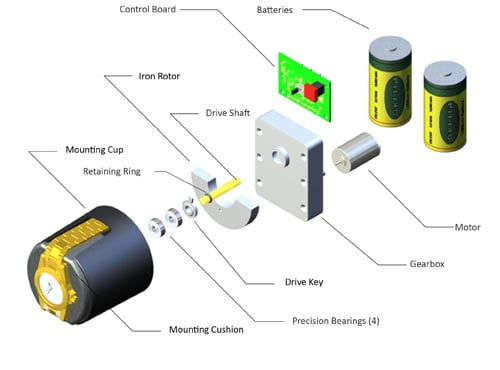
what is a watch winder cutaway showing the internal mechanism
Cutaway view showing how a watch winder holds and rotates an automatic timepiece.

How Does a Watch Winder Work?

A watch winder is an electronic device, typically box-shaped, with a cushion that grips the piece by its band. A quiet motor rotates the cushion at programmed intervals. That rotation moves the weighted rotor inside the case, which tensions the mainspring and keeps the watch running.

Most quality models let you adjust turns per day (TPD) and rotational direction. Each caliber needs a specific count. Rolex, the Swiss manufacturer behind the Oyster Perpetual line, typically requires around 650 TPD clockwise. Jaeger-LeCoultre, the luxury watchmaker known for the Reverso, might need 800 or more. Some movements engage clockwise only, others counterclockwise, and many are bidirectional. A quality unit lets you match these specs so the motion transfers efficiently.

Between rotation cycles, the motor sits idle, mimicking how you naturally move your arm. The mainspring stays tensioned because modern automatic movements include a slipping clutch that disengages the rotor at full energy, preventing overwinding.

Do You Need a Watch Winder?

Not every owner of an automatic watch needs one. Wear yours daily and your wrist does the work. But a few situations make one genuinely useful.

Multiple watches in rotation is the top reason. Any watch collector with three or a dozen pieces cannot wear them all. Without help, each stops within its power reserve window. Resetting time and date on a three-hand model takes seconds. Resetting a perpetual calendar can take fifteen minutes of careful crown work. One of these eliminates that hassle and keeps your automatic watches wound.

Complicated timepieces benefit the most. Annual calendars and moon phase displays are easier to maintain when they never stop. Letting a luxury watch sit idle means you reset it yourself or pay a watchmaker to handle it. Automatic watches require consistent motion to hold their power reserve.

Lubricant distribution is a factor most people overlook. The oils inside a mechanical watch reduce friction between metal parts. When the movement sits idle for weeks, those lubricants settle unevenly. Keeping the piece on a rotating cushion ensures everything stays distributed, supporting long-term maintenance. In my experience, collectors who let pieces sit for months often find the movement runs rough afterward.

Types of Watch Winders

A single watch winder holds one piece and is the most affordable entry point. These range from compact travel cases powered by an electric battery to polished wood boxes for a nightstand. For someone with one or two automatic timepieces, a single unit is plenty.

Multi-unit models hold two to twelve pieces in a cabinet. Higher-end versions let you program each slot independently. If you own a mixed collection (say a Rolex that engages clockwise and a dress piece that runs bidirectionally), independent control is essential for keeping each one at its correct TPD.

Cabinets sit at the top of the market: furniture-grade pieces with glass doors, LED lighting, and drawers for straps and tools. A quartz clock runs on a battery and does not need winding, but many collectors store both types together. Some cabinets hold 20 or more.

Power options split between battery and AC:

  • Battery-powered models suit travel and typically last one to two years on AA cells.
  • AC-powered units run quieter and more consistently for home use.

Can a Watch Winder Damage Your Timepiece?

A quality winder should not cause harm. Modern automatic movements include a slipping clutch that prevents overwinding. Once the mainspring reaches full energy, the rotor spins freely. That safety mechanism exists in virtually every piece made in the last 50 years.

Problems come from cheap models with excessive TPD or erratic motors. Spinning too fast accelerates bearing wear. The fix is straightforward: match the recommended TPD and direction for your specific caliber. Set it correctly, and the device keeps things running without added stress.

One concern enthusiasts raise is magnetism. Low-quality motors can generate fields strong enough to affect timekeeping. High-quality winders use shielded, low-emission motors to avoid this. If you need to wind yours manually before placing it on the cushion, go ahead; a good unit handles the rest.

What to Look for When Buying a Watch Winder

TPD range and direction control come first. If you cannot set the correct rotation, the device is useless. Look for 500 to 1,800 TPD with clockwise, counterclockwise, and bidirectional options.

Motor noise matters more than most buyers expect. These often sit on a bedroom nightstand. Cheap motors hum. The best models are virtually silent.

Build quality determines lifespan. Plastic gear trains fail within a year or two. Metal gears, a solid case, and a reliable motor form the baseline. The right one is designed to keep automatic timepieces running for years without trouble, so consider it an investment rather than an accessory.

Start by checking your manufacturer’s recommended TPD and direction, then match those to a model that fits your budget. Our guide on the best watch winder features compares top options, and the full collection offers every price point. For sourcing advice, see where to buy a watch winder. Knowing what a watch winder does puts you in the best position to choose well.

Frequently Asked Questions

How do I know if my timepiece needs a watch winder?

If your automatic piece stops when you set it aside for a day or two, one of these keeps it wound and ready to wear. Models with longer power reserves (60 to 80 hours) can go a weekend. But if you rotate between multiple pieces regularly, it saves you from constant resetting.

Are they bad for your pieces?

No, provided you use a quality unit with correct settings. Modern movements have a slipping clutch that prevents overwinding. Damage only happens with poorly made devices that spin too aggressively or generate magnetic interference.

Is it okay to leave a Rolex on one?

Yes. Rolex movements handle continuous use without issue. Set the device to roughly 650 TPD clockwise for most calibers. Many owners keep theirs running this way for years.

What are the disadvantages?

Cost is the main downside; a high-quality model runs $150 to $500 or more. Cheap ones risk motor noise, magnetism, or mechanical failure. For a single piece you wear daily, there is little practical benefit.

How often should I use one?

Place your automatic piece on it whenever you are not wearing it. It keeps the movement running and lubricants distributed. If you only own one and wear it daily, you do not need one.

Can it overwind my piece?

No. Every modern automatic movement has a disengaging clutch on the mainspring. Once fully tensioned, the rotor slips freely and no additional force is applied.

Do they use a lot of electricity?

Minimal. AC-powered units consume less energy than a small nightlight. Battery-powered models typically run one to two years on a single set of AA batteries.